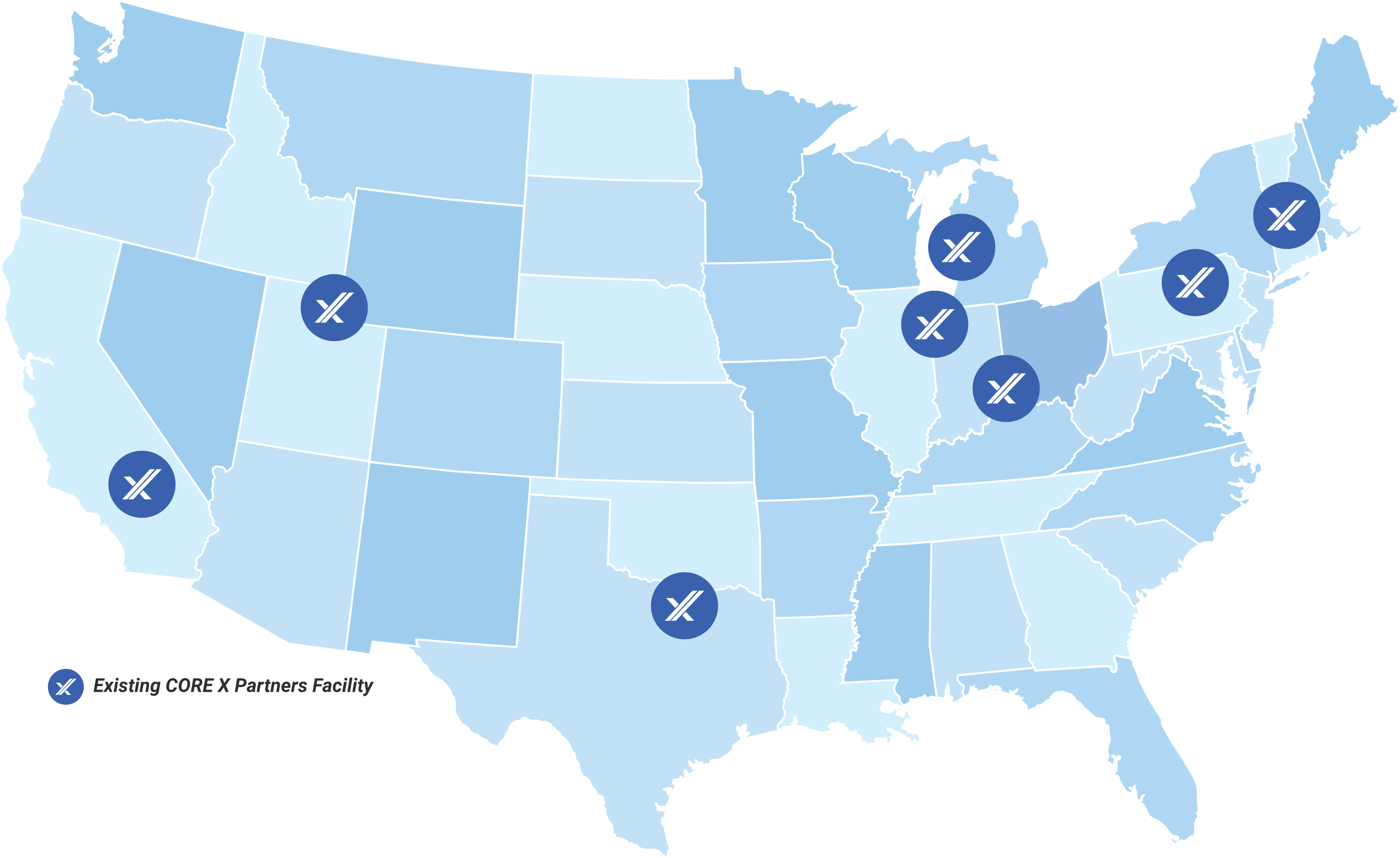

Selecting an integrated cold chain partner is a critical decision for food manufacturers and distributors scaling across regions. Using a single provider for storage, transport, and logistics may streamline operations and increase visibility, but it could introduce risks performance varies by location.
Many companies hesitate to consolidate because their regional providers perform well locally. That concern is valid. The goal is to integrate without losing responsiveness, flexibility, or service reliability that regional operators provide.
An effective partner combines national coordination with consistent processes, while maintaining accountability at the facility level. That requires a structured evaluation of how the network operates, rather than mere positioning.
Speak With A Cold Chain Expert
Why Integration Efforts Fail Without the Right Cold Chain Partner
Consolidation strategies often fall short when companies prioritize scale over operational alignment. Moving to a single provider may simplify vendor management, but it does not automatically create a coordinated network.
In practice, issues show up at the facility level. Service performance drops, processes vary across locations, and transportation planning is disconnected from storage. In some cases, visibility improves at a high level while day-to-day operations become less predictable.
The takeaway is simple: consolidating a cold chain network only works if it can deliver consistent execution across regions.
Building a Selection Scorecard: Choosing an Integrated Cold Chain Partner
Choosing the right cold chain partner starts with a clear evaluation framework. A scorecard helps compare providers and identify who can support both regional performance and network integration.
Several core areas should be evaluated, starting with the network itself.
Network Footprint and Facility Coverage
A provider’s footprint should align with your current distribution and future growth. Look for coverage in key markets and along major freight corridors. Network density also matters, as it can improve transportation efficiency and maintain service levels as you expand.
Look for a network that offers both reach and density. Facilities positioned along high-volume lanes can improve transportation efficiency, while regional coverage ensures that service levels remain consistent as distribution expands.

Temperature Capabilities: Frozen vs. Refrigerated Handling
Cold chain logistics is not one-size-fits-all. Frozen, refrigerated, and multi-temperature storage environments each require different infrastructure and handling procedures.
A strong partner should show consistent temperature control, support for multiple temperature ranges, and experience with product-specific requirements.
Depth in temperature-controlled operations is often a stronger indicator of performance than the number of facilities alone.
Value-Added Services That Support Operations
Cold storage is only part of the process. Many operations need services like repacking, labeling, case picking, or compliance prep. The key is consistency across locations, not just storage and deliveries. Common value-added services include:
- Repacking and labeling
- Case picking and order assembly
- Blast freezing or tempering
- Retail or foodservice compliance preparation
- LTL Shipping Programs
- Cross-Docking Service
Technology and Visibility Across the Network
One of the primary goals of consolidation is improving visibility. That objective depends on the provider’s ability to integrate systems and deliver consistent reporting across all facilities.
An integrated cold chain partner should provide:
- A centralized Warehouse Management System (WMS)
- Transportation visibility through integrated planning or TMS capabilities
- EDI connectivity with customers and retailers
- Real-time access to inventory and shipment status
Without this level of integration, companies may reduce the number of vendors but still lack the visibility needed to manage the network effectively.
Experience, Compliance, and Proven Performance
Operational experience and compliance standards are critical when evaluating an integrated cold chain partner. In temperature-controlled logistics, performance gaps can directly impact product quality, regulatory compliance, and customer relationships. A structured evaluation should focus on both execution history and adherence to recognized food safety standards.
Key areas to evaluate include:
- Industry Experience and Customer Alignment
Providers should demonstrate experience supporting food manufacturers and distributors with similar product types, volumes, and distribution complexity. Familiarity with retail and foodservice requirements, such as appointment scheduling, compliance standards, and delivery expectations, is essential. - Multi-Region Operational Performance
Look for proven ability to manage operations across multiple facilities and regions while maintaining consistent service levels. This includes standardized handling practices, coordinated inventory management, and reliable execution across geographically distributed networks. - Customer References and Performance History
Past performance is one of the strongest indicators of future success. References should reflect consistent service execution, particularly in high-volume, time-sensitive, or multi-location distribution environments. - Food Safety and Compliance Certifications
Leading providers operate under established food safety frameworks such as BRCGS. Certification to standards like BRCGS Food Safety Standard indicates that facilities follow structured, auditable processes for sanitation, traceability, and product handling. This level of compliance supports audit readiness and reduces risk across the supply chain. - Consistency of Quality Assurance Practices
Evaluate whether quality assurance procedures, such as temperature monitoring, sanitation protocols, and documentation standards, are applied consistently across all facilities. Inconsistent QA practices are often a sign of fragmented operations rather than a fully integrated network.
A provider’s ability to combine operational experience with consistent compliance standards ultimately determines how well it can support long-term cold chain distribution growth.
Key Questions to Ask Before Selecting an Integrated Cold Chain Partner
Once you narrow the list, shift the conversation from capabilities to execution.
Capacity and Surge Planning
- How is capacity allocated across facilities?
- What happens during seasonal spikes or unexpected demand?
- Are there contingency plans for overflow?
Retail Appointment Performance
- How are appointments scheduled and managed?
- What does on-time, in-full performance look like across the network?
- How are delays, missed appointments, or re-deliveries handled?
Transportation should also be part of the discussion. Storage and freight planning need to work together, especially for consolidation and multi-stop distribution.
What “Integration Readiness” Actually Looks Like
Many providers position themselves as integrated, but true integration requires more than shared branding or centralized contracts. It depends on whether the network operates under consistent standards across every location.
Integration readiness becomes visible through how work is performed day to day.
At a minimum, a fully integrated cold chain partner should demonstrate:
- Standardized operating procedures across all facilities
- Shared performance metrics that apply consistently across the network
- Uniform quality assurance and food safety practices
- Centralized reporting that provides visibility across inventory, orders, and transportation
- Coordinated planning between storage and freight operations
When these elements are in place, companies can manage their cold chain logistics as a single system. Without them, consolidation may reduce vendor count but fail to improve operational performance.

Red Flags to Watch When Evaluating Cold Chain Partners
Not all risks are obvious during the selection process. Some of the most significant issues appear only after operations begin, which is why it is important to identify warning signs early.
One of the most common red flags is limited visibility. If inventory data, shipment status, or performance metrics are difficult to access or inconsistent across locations, it becomes nearly impossible to manage the network proactively.
Operational inconsistency is another concern. Differences in receiving procedures, storage practices, or outbound processes across facilities often lead to errors, delays, and increased handling risk.
Other indicators of potential issues include:
- Weak or unclear claims handling processes
- Lack of standardized reporting across facilities
- Overstated national coverage without operational depth in key regions
- Limited ability to explain how storage and transportation are coordinated
These gaps often signal that the provider is not operating as a fully integrated network, even if it is positioned that way.
Balancing National Scale with Regional Strength
One of the most important considerations in choosing a cold chain partner is how well a provider balances national coordination with regional execution. Cold chain logistics is inherently local; facility teams manage product handling, customer relationships, and day-to-day operations within their specific markets.
At the same time, scaling distribution requires consistency across regions. Without shared standards, visibility, and planning, performance can vary widely from one facility to another.
The most effective integrated cold chain partners are those that combine:
- Local expertise and accountability at the facility level
- Standardized processes and systems across the network
- Coordinated transportation and inventory planning
This balance allows companies to scale distribution without sacrificing service quality or operational control.
How CORE X Delivers an Integrated Cold Chain Partner Model
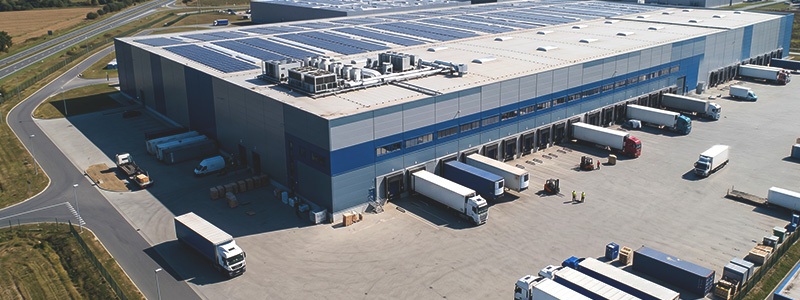
CORE X Partners is designed to support this balance through a network structure that aligns regional execution with national coordination. Rather than operating as a centralized system disconnected from local markets, CORE X partners with experienced regional operators who bring deep expertise within their respective regions.
These facilities operate under shared standards for storage, handling, and reporting, supported by centralized systems and coordinated freight planning. This approach allows CORE X to deliver consistent performance across locations while maintaining the flexibility and responsiveness of local operations.
By integrating temperature-controlled storage, transportation planning, and operational visibility, CORE X enables food manufacturers and distributors to consolidate their cold chain logistics without compromising regional strength.
Local Service. Nationwide Network.
Making the Right Partner Decision for Long-Term Growth
Choosing an integrated cold chain partner is a critical procurement decision. It is a strategic investment in how distribution will scale over time. The right partner simplifies operations, improves visibility, and creates a more stable foundation for growth across multiple regions.
By evaluating network capabilities, operational consistency, and integration readiness, companies can move beyond fragmented logistics models and build a coordinated cold chain platform that supports both performance and scalability.
CORE X Partners delivers integrated storage, transportation, and logistics solutions designed to support scalable distribution across temperature-controlled supply chains. Our network combines regional expertise with standardized operations and centralized visibility to improve performance and reduce complexity. Contact CORE X Partners to find the right integrated cold chain partner.